

Teamwork and Communication Through Youth Basketball Training Drills
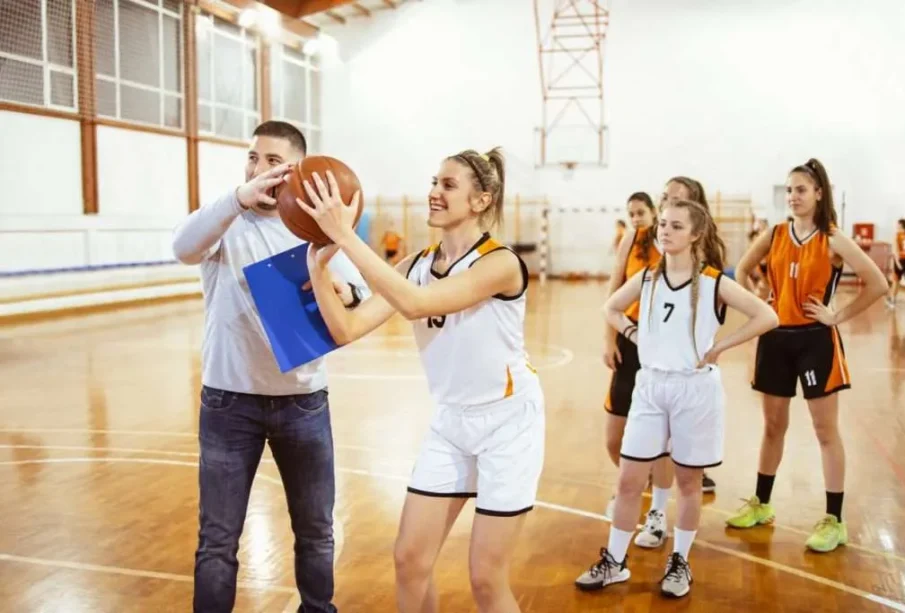
Basketball is more than just scoring points or executing plays; it is a sport built on collaboration, communication, and understanding between teammates. For young players, developing these skills early is critical to both their individual growth and the overall success of the team. Youth basketball training drills provide an effective way to teach teamwork and communication while keeping players engaged and active. These drills are designed not only to improve technical skills but also to foster an environment where players learn to work together and communicate effectively on the court.
The Role of Communication in Youth Basketball
Communication is the backbone of any successful basketball team. Young players often focus on their individual performance, but learning to speak and listen on the court enhances team cohesion and game strategy. Effective communication includes calling out plays, signaling movements, providing encouragement, and alerting teammates to defensive or offensive situations. When communication is consistent and clear, the team operates as a single unit, making it easier to anticipate movements and respond quickly to dynamic situations during a game.
Youth basketball training drills that emphasize communication often incorporate exercises where players must work together to complete a task, such as passing sequences, defensive rotations, or fast-break scenarios. Coaches can encourage verbal and non-verbal communication, rewarding teams that demonstrate coordination and clear signals. Developing these habits in practice translates to real-game scenarios, where quick decision-making and awareness of teammates can determine the outcome of a play.
Building Teamwork Through Drills
Teamwork is closely linked to communication but extends beyond words to action. Players must understand each other’s strengths, weaknesses, and tendencies to collaborate effectively. Youth basketball training drills focused on teamwork help players learn how to coordinate movement, share responsibilities, and support each other in both offensive and defensive situations.
Drills such as passing relays, scrimmages, and small-sided games teach young athletes how to rely on one another and make collective decisions. In passing drills, players learn timing and positioning, understanding that successful execution depends on the next player’s readiness. Small-sided games, meanwhile, create scenarios where players must strategize together, reinforcing the importance of working as a cohesive unit rather than relying solely on individual talent. Over time, these drills develop trust, mutual respect, and a sense of shared purpose, which are essential for long-term team success.
In addition, teamwork-focused drills often incorporate problem-solving elements. For example, a coach may set up a drill where the team must defend against multiple opponents or navigate a fast-paced transition offense. Players must communicate and coordinate quickly to achieve the objective, reinforcing the importance of collaboration under pressure. These experiences teach young athletes that basketball is a team sport, where success is shared and challenges are met collectively.
Encouraging Leadership and Responsibility
Another benefit of youth basketball training drills that emphasize teamwork and communication is the development of leadership and responsibility. Players learn to guide teammates, offer constructive feedback, and take ownership of their role on the court. Leadership can emerge in various forms, from directing defensive rotations to motivating teammates during drills and games.
Coaches can design drills that rotate leadership roles among players, encouraging them to communicate strategies, set up plays, or organize team efforts. This practice not only builds confidence but also helps young athletes recognize the value of supporting one another and holding themselves accountable. By learning leadership in a controlled environment, players are better prepared to make decisions during high-pressure game situations.
Integrating Fun and Engagement
While the focus on teamwork and communication is critical, it is equally important to keep youth basketball training drills fun and engaging. Young athletes respond well to activities that combine skill development with enjoyment, fostering a positive association with teamwork and practice. Games and competitive drills can create excitement while reinforcing collaboration and communication, such as obstacle courses that require passing and strategic movement or mini-games that reward successful team coordination.
Maintaining a balance between structured drills and playful activities ensures that players remain motivated and enthusiastic. It also helps them internalize the lessons of teamwork and communication naturally, without feeling forced. By making practice enjoyable, coaches encourage consistent participation and reinforce the idea that collaboration and communication are integral parts of basketball, not just isolated skills.
Through well-designed youth basketball training drills, young athletes develop critical skills that extend far beyond the court. Communication, teamwork, leadership, and problem-solving become ingrained through repeated practice, enhancing both individual growth and team performance. These drills create an environment where players learn to trust one another, anticipate each other’s actions, and work together toward common goals.
Ultimately, youth basketball training drills that emphasize teamwork and communication lay the foundation for successful basketball careers while promoting life skills such as collaboration, responsibility, and effective interaction with others. By prioritizing these aspects in training, coaches ensure that young athletes not only improve their technical abilities but also develop the social and strategic skills necessary to thrive in any team setting.