
Game: Importance, Types, and Benefits in Human Life
Introduction
A game is an organized form of activity that people participate in for enjoyment, relaxation, learning, and personal development. Games are an important part of human culture and have existed since ancient times in both physical and mental forms. They help individuals stay active, improve thinking ability, and build social relationships.
In modern life, games are played in many forms including outdoor sports, indoor board activities, and digital entertainment. Each type contributes differently to physical health and mental growth.
Types of Games
Games can be broadly divided into several categories based on how they are played and their purpose.
Outdoor Games
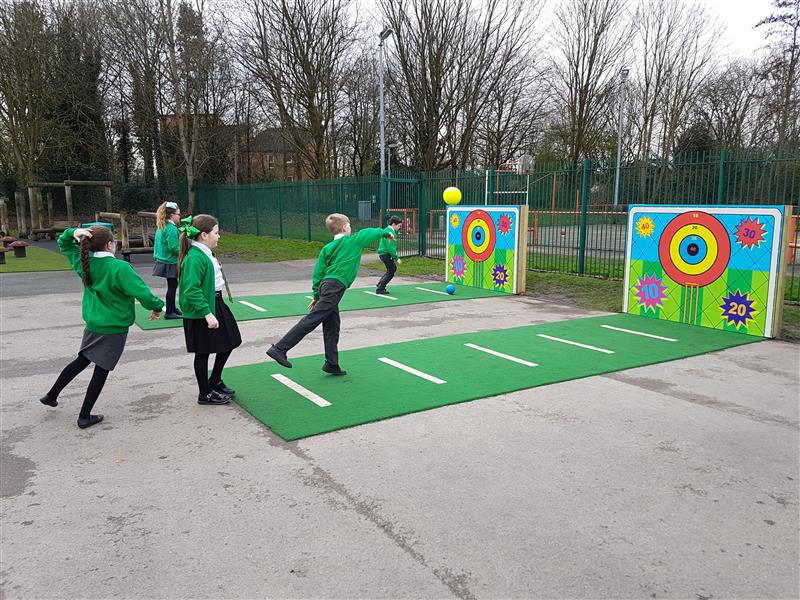
Outdoor games involve physical movement and are usually played in open spaces such as playgrounds or fields.
Examples include:
- Football
- Cricket
- Basketball
- Running competitions
These games improve physical strength and teamwork.
Indoor Games
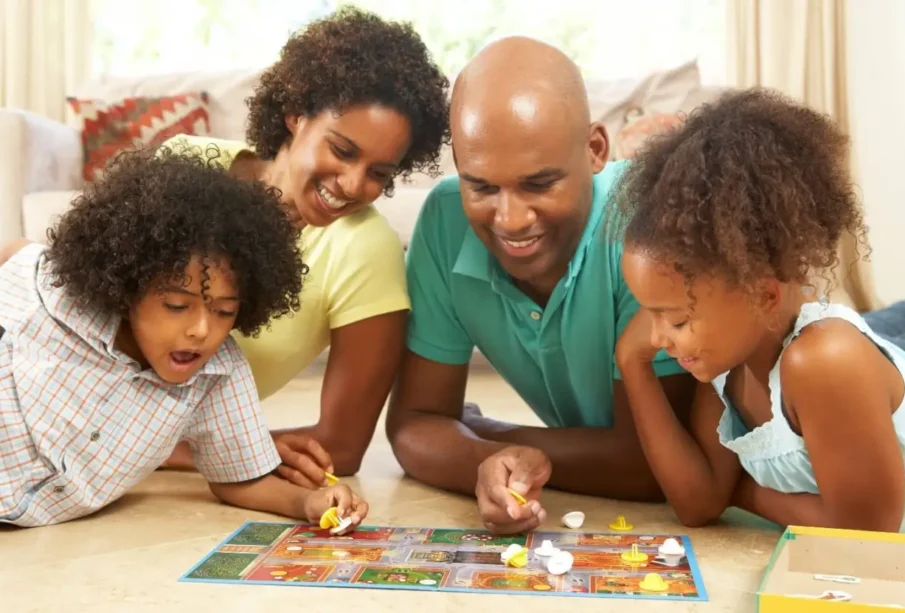
Indoor games are played inside homes, schools, or community centers and usually require limited space.
Common examples include:
- Chess
- Carrom
- Ludo
- Table tennis
Indoor games strengthen concentration and planning skills.
Digital Games
Digital games are played using computers, mobile devices, or gaming consoles. They combine entertainment with interactive learning experiences.
They often help improve:
- Decision making ability
- Reaction speed
- Problem solving skills
Balanced participation ensures positive results.
Importance of Games in Daily Life
Games play a significant role in maintaining both physical and mental well being. They encourage people to stay active and reduce stress caused by daily responsibilities.
Regular participation in games helps individuals:
- Stay physically fit
- Improve concentration levels
- Develop discipline and patience
- Build strong social connections
These benefits make games an essential part of a healthy lifestyle.
Physical Benefits of Games
Outdoor games especially contribute to physical development by strengthening muscles and improving body coordination.
Important physical benefits include:
- Improved stamina and endurance
- Better body balance and flexibility
- Stronger immune system
- Healthy growth in children and teenagers
Regular physical activity through games supports long term wellness.
Mental Benefits of Games
Games also play an important role in improving mental abilities. Many activities require planning, attention, and quick thinking.
Mental advantages include:
- Improved memory and focus
- Faster decision making ability
- Enhanced creativity
- Better emotional control
These benefits help individuals perform better in academic and professional environments.
Social Benefits of Games
Games encourage cooperation and communication among participants. Team based activities help people learn how to work together toward common goals.
Through games, individuals develop:
- Leadership qualities
- Team spirit
- Respect for others
- Confidence in social interaction
Such experiences prepare individuals for responsibilities in society.
Educational Value of Games
Games are increasingly used as tools for learning in schools and training environments. They make lessons more engaging and easier to understand.
Educational games support learning in areas such as:
- Mathematics
- Language development
- Science concepts
- Logical reasoning
Interactive learning improves interest and retention among students.
Importance of Discipline Through Games
Participation in games teaches discipline and responsibility. Players learn to follow rules and respect decisions made by referees or team leaders.
Discipline developed through games includes:
- Respect for rules
- Time management habits
- Commitment to teamwork
- Acceptance of victory and defeat
These qualities contribute to strong character development.
Conclusion
Games are essential activities that support physical fitness, mental strength, and social harmony. They help individuals develop discipline, confidence, and cooperation while providing enjoyment and relaxation. Including games in daily routines contributes to a balanced and healthy lifestyle for people of all age groups.
Frequently Asked Questions
1. Why are games important for children’s overall growth
Games help children develop physical strength, coordination, confidence, and social interaction skills that support healthy development.
2. How do games improve communication skills
Team activities encourage players to share ideas, listen carefully, and coordinate actions effectively with others.
3. Can games help reduce stress in adults
Yes regular participation in games helps refresh the mind and reduces mental pressure from daily responsibilities.
4. Are traditional games still valuable today
Traditional games remain important because they promote cultural values, cooperation, and physical activity without requiring technology.
5. How do games encourage leadership qualities
Players often take responsibility for guiding teams, making decisions, and motivating others during group activities.
6. What role do games play in building confidence
Achieving goals during games improves self belief and encourages individuals to face challenges with determination.
7. How can schools promote the habit of playing games
Schools can organize regular sports activities, provide playground facilities, and encourage participation through competitions and events.