

Computer Game: Evolution, Impact, and Future of Digital Play
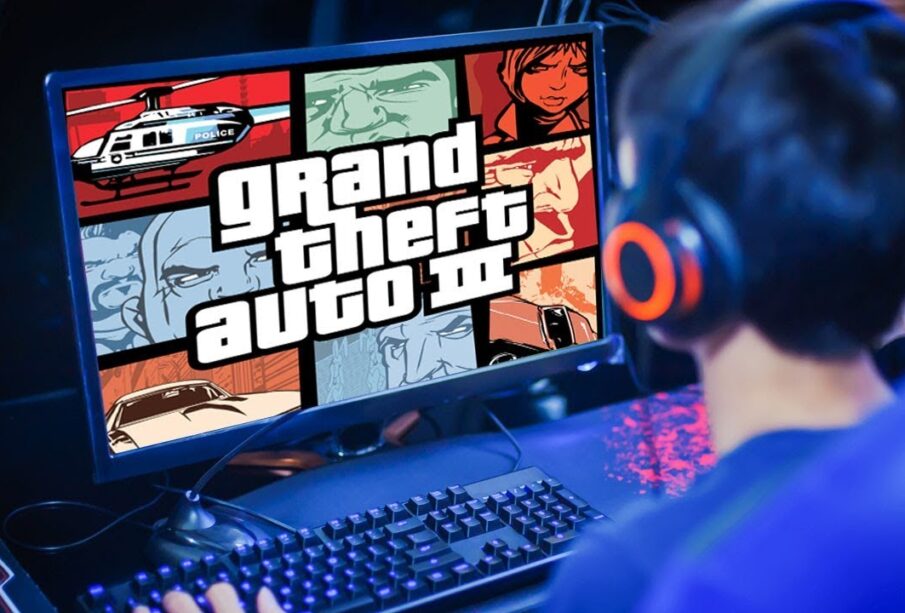
Introduction to Computer Games
A computer game is a digital interactive experience played on a personal computer using input devices such as a keyboard, mouse, or controller. Over the past few decades, computer games have evolved from simple pixel-based entertainment into immersive virtual environments that combine storytelling, strategy, creativity, and competition.
Today, computer games are not only a major source of entertainment but also tools for education, communication, and professional competition through organized gaming events.
History of Computer Games
The development of computer games reflects the rapid progress of computing technology. Early experiments in the mid-twentieth century introduced basic simulations and text-based adventures. As graphics technology improved, games became more visually engaging and interactive.
Key stages in the evolution include:
- Early experiments featuring simple mathematical and logic-based games
- Arcade-style computer games with limited graphics but engaging mechanics
- Rise of home PC gaming with improved storage and display capabilities
- Online multiplayer era connecting players worldwide
- Modern high-definition gaming with realistic graphics and storytelling depth
Each stage expanded the possibilities of what players could experience through digital play.
Types of Computer Games
Computer games are categorized into various genres based on gameplay style and objectives. Some of the most popular types include:
Action Games
These games focus on fast reactions and coordination. Players often control characters engaged in combat, exploration, or obstacle navigation.
Examples of features:
- Quick movement mechanics
- Real-time challenges
- Reflex-based gameplay
Strategy Games
Strategy games require planning and decision-making. Players manage resources, units, or territories to achieve long-term goals.
Common characteristics:
- Tactical thinking
- Resource management
- Long-term planning
Simulation Games
Simulation games recreate real-world activities or environments. They allow players to experience scenarios such as managing cities, running businesses, or piloting vehicles.
They often emphasize:
- Realistic systems
- Creative control
- Problem-solving skills
Role-Playing Games
Role-playing games allow players to assume fictional identities and explore story-driven worlds. Character progression is usually central to gameplay.
Typical elements include:
- Character customization
- Narrative exploration
- Skill development systems
Benefits of Computer Games
Computer games offer several advantages beyond entertainment when used responsibly.
Cognitive Development
Many games improve mental abilities such as:
- Memory
- Attention
- Decision-making
- Problem-solving
Strategy and puzzle games especially encourage analytical thinking.
Social Interaction
Online multiplayer games allow players to communicate and collaborate with others worldwide. This interaction promotes teamwork and cooperation.
Stress Relief
Playing games can provide relaxation after daily activities. Engaging gameplay helps refresh the mind and reduce mental fatigue.
Career Opportunities
The gaming industry has created new professional paths including:
- Game development
- Graphic design
- Game testing
- Competitive gaming
- Streaming and content creation
These opportunities continue expanding as technology advances.
Challenges Associated with Computer Games
Despite their benefits, computer games must be used responsibly.
Possible concerns include:
- Excessive screen time
- Reduced physical activity
- Sleep disturbances
- Distraction from academic responsibilities
Balanced usage helps prevent these issues while maintaining positive outcomes.
Educational Role of Computer Games
Educational computer games support learning through interactive experiences. Students often understand complex topics more easily when concepts are presented through engaging visuals and activities.
Examples of learning areas supported by computer games include:
- Mathematics practice
- Language development
- Scientific simulations
- Historical exploration
Interactive learning environments increase motivation and retention compared to passive study methods.
Future of Computer Games
The future of computer games is shaped by continuous technological innovation. Emerging developments are making gaming more immersive and accessible.
Important trends include:
- Virtual reality integration
- Artificial intelligence–driven characters
- Cloud-based gaming platforms
- Cross-device compatibility
- Realistic physics and graphics engines
These advancements will continue transforming how players interact with digital environments.
Conclusion
Computer games have grown from simple experiments into a powerful global medium combining entertainment, education, creativity, and professional opportunity. When used thoughtfully, they contribute positively to cognitive development, social interaction, and technological awareness. As innovations continue, computer games will remain an important part of modern digital culture.
Frequently Asked Questions (FAQ)
1. What is the difference between computer games and console games?
Computer games are played on personal computers, while console games require dedicated gaming hardware designed specifically for playing games on televisions or monitors.
2. Are computer games suitable for all age groups?
Yes, many games are designed for different age categories. Age ratings help players choose content appropriate for their level of maturity.
3. Can computer games improve academic performance?
Educational and strategy-based games can support learning by strengthening memory, logic, and analytical thinking skills when used appropriately.
4. What equipment is required to play computer games?
Basic requirements include a computer system, input devices such as a keyboard and mouse, and sometimes additional accessories like headphones or controllers.
5. How do online computer games connect players worldwide?
Online games use internet connectivity to allow players from different locations to join the same virtual environment and interact in real time.
6. Is professional gaming considered a career option?
Yes, competitive gaming has become a recognized profession with organized tournaments, sponsorships, and streaming opportunities.
7. How can parents manage children’s gaming habits effectively?
Parents can guide children by setting time limits, selecting age-appropriate games, and encouraging balanced daily routines that include physical activity and study.